EuroNet MRPH logo with the full name of the network, European Network of Multidisciplinary Residents in Public Health.

A roadmap for Non-Governmental Associations’ cooperation in Public Health

“Proudly by ourselves” – this was a Portuguese nationalist slogan advertised before April 25th 1974 revolution. However, globalization changed the paradigm of international relationships and communication technologies connected the whole world by a simple click. We no longer live in a place where our actions have no consequences, but rather influence people and the environment around us – both as individuals and through organizations.

As you know, Public Health was defined by Acheson as “the science and art of preventing disease, prolonging life and promoting health through organized community efforts” and Ottawa Charter for Health Promotion called for “community health partnerships, health alliances or socio-ecological approaches to prevention and health promotion”.

Therefore, non-governmental organizations (NGO) play an interesting role in promoting community development while remaining independent from governments. Currently, some of the most important European NGOs in Public Health area are ASPHER (Association of School of Public Health in Europe), EHMA (European Health Management Association) and EUPHA (European Public Health Association)1. The aim of most of these kind of organizations is to bring together experts to develop innovative health research and implement it through effective policy making.

Another perfect example of cooperation between European public health professionals is the European Network of Medical Residents in Public Health (EuroNet MRPH), which gathers 10 national based Public Health associations training programs.

Following its mission, EuroNet MRPH aims to promote the sharing of educational opportunities, facilitate exchange internships and develop international scientific research. Euronet-like networks are keen on knowledge transferring, research collaboration and they create a unique environment for ideas to develop, encouraging the rapid spread of information in Europe.

The lack of bureaucracy (but not organizational anarchy) among networks is one of its strengths when comparing to governments and institutions, which makes it so useful in creating knowledge, exchanging information and spreading good practice2. Individuals from different organizations and areas can collaborate free from the constraints that exist in more hierarchical models3. Also, collaborative papers tend to get cited more often, which is an important “bonus”4.

Summing up, networks should focus on five specific pillars:

  • A common purpose that promote a sense of belonging of its members and a commitment in moving in the same direction;
  • A cooperative structure that allows people to work together across organizations;
  • A critical mass that increases value for members and society;
  • Collective intelligence, as members share and learn from each other and;
  • A sense of community built through relationships.

Figure 1. The 5C Wheel, including core features of an effective network4

Right now, in my opinion, EuroNet MRPH follows the main essentials for a successful network. That is amazing in such a short period of time, while having room for development, especially regarding partnerships and cooperation. Networks are just the bottom level of a collaboration hierarchy, gathering a huge potential for development and expansion for the following years, until they achieve a full collaboration status5.

Partnerships can be defined as “contextually relevant peer-to-peer collaborations which offer a platform for sharing knowledge and growing expertise globally, working towards a common goal, across disciplines and perspectives”6. This allows organizations to explore their differences and find solutions beyond their limited visions7.

Similar to networks’ main pillars, partnerships also need6:

  • Focus: a common goal that keeps partners focused on their objectives;
  • Values: a commitment and trust between partners;
  • Equity: adequate sharing of resources and respect for different capacities;
  • Mutual benefits: based on knowledge exchange and skills development;
  • Communication: through meetings, agendas and reports sharedon time;
  • Leadership: accountability and delegation of roles to organize common efforts and;
  • Resolution: determination and mediation in conflict resolution between partners.

As discussed in 2018’s Winter Meeting, communication and partnerships are fields where Euronet MRPH needs to invest some workforce and time, in order to develop proper foundations for the future. As referred by Rahman, EUPHA added value to members association through contact to other European Public Health Associations and more ideas for research and collaboration, among others1. Therefore, members of both organizations in a partnership also expect to develop future collaborations through existing ones.

Addressing the big elephant in the room, there are hundreds of public health related institutes and NGOs in Europe. Many of them are already connected but it’s crucial to align most important NGOs agendas in Public Health, strengthening integration policies and influence8. While integrating activities in a single network is already a complicated task, integration of activities between different organizations it’s even more problematic – but when well coordinated, they have a bigger impact.

Challenges in Public Health collaboration will be hard to tackle, but young professionals willingness to act and innovate play a crucial role. Today, in my opinion, Euronet MPRH is a successful network with a clear direction, encouraging innovation and quality improvement. There is a potential in advocacy for Public Health residents and promoting community driven initiatives which still remains on hold, while a broader influence in European Public Health can also be addressed through more meaningful and structured partnerships.

In the Velika Planina winter meeting, Euronet MRPH members discussed the role of partnerships for the future of the network and there was a call for reviewing Euronet MRPH partnerships in an objective way, highlighting the need for meaningful and relevant benefits for enrolled public health residents, like scholarships, reduced fees and opportunities for research collaboration. But most of all, is crucial to gather feedback from residents and understand what they expect from partnerships.

In the Velika Planina winter meeting, Euronet MRPH members discussed the role of partnerships for the future of the network and there was a call for reviewing Euronet MRPH partnerships in an objective way, highlighting the need for meaningful and relevant benefits for enrolled public health residents, like scholarships, reduced fees and opportunities for research collaboration.

But most of all, is crucial to gather feedback from residents and understand what they expect from partnerships. There will be many challenges in the future and it’s up to us to prepare and embrace the opportunities that they will bring.

Duarte Brito

Public Health Resident
Public Health Unit Lisboa Central, Portugal


References

  1. Rahman, SG. Public Health in Europe: the role of Non-Governmental Public Health associations in public health policy development. Karolinska Institutet.
  2. Cunningham, FC; Ranmuthugala, G; Plumb, J; Georgiou, A; Westbrook, JI; Braithwaite, J. Health professional networks as a vector for improving healthcare quality and safety: a systematic review. BMJ Quality & Safety. 2011
  3. The Health Foundation. Effective networks for improvement. The Health Foundation. 2014
  4. Adams, J. The rise of research networks. Nature. 2012
  5. Sommervile, M; Kumaran, K; Anderson, R. Public Health and Epidemiology at a Glance. Wiley-Blackwell. 2012
  6. Larkan, F; Uduma, O; Lawal, SA; van Bavel, B. Developing a framework for successful research partnerships in global health. Globalization and Health. 2016
  7. Axelsson, R; Axelsson SB. Integration and collaboration in public health – a conceptual framework. International Journal of Health Planning and Management. 2006
  8. Lang, PB; Gouveia, FC; Leta, J. Cooperation in Health: mapping collaborative networks on the web. PLOS One. 2013
EuroNet MRPH logo with the full name of the network, European Network of Multidisciplinary Residents in Public Health.

The Government’s Role in Health Promotion

Nowadays many people die from weight related diseases, these can normally be prevented by improving eating habits and lifestyle choices. But, how easy is it for people to choose better?

As a dietitian and public health professional I find myself promoting healthy eating very often.  However, I have realised that it is not just up to the people to try to get healthier. It is the government’s job to make it easier for everyone to make these changes.

A year ago, I found myself moving to Barcelona, a city full of life and full of bars and restaurants. Asking for tap water in Barcelona is impossible as waiters argue that tap water is not drinkable in Spain. In fact, Barcelona’s water is safe to drink as it follows EU regulations and the company in charge of water in Barcelona has many ISO certifications that secure the water’s innocuousness. In addition to this, a bottle of water in Barcelona is sometimes either the same price or more expensive than a beer or sugary drinks. In contrast, countries in the European Union like the UK and France make it mandatory for bars and restaurants to give free tap water to customers, making it easier for people to choose healthier.

By the same token, in consultation, I always suggest patients to choose whole meal bread and pastas over white ones. Many of them stick to refined grains given that wholemeal products are normally more expensive. It is a fact that eating refined carbs lead to increased risk of obesity and type 2 diabetes, such as it is a fact that it is cheaper to make wholemeal products than to make heavily processed ones, and still people need to pay more for getting the healthier option.

The idea that to eat better is necessary to spend lots of money is a problem I have encountered many times. The current trend of organic foods makes it seem like eating healthily is only for those who can actually afford it. People from a low socioeconomic status find it impossible to eat the so-called organic products. Showing people that healthier does not necessarily mean organic or more expensive should be a public health priority.

Given these points, it is evident that support from the government is essential in order to make it easier for people to choose the healthier option.

José Carlos Flores

Masters in Public health student at the Universitat Pompeu Fabra in Barcelona

References:

  • Certificaciones de calidad – www.aiguesdebarcelona.cat [Internet]. Aiguesdebarcelona.cat. 2018. Available from: http://www.aiguesdebarcelona.cat/garantia-de-calidad
  • Aigües de Barcelona, Sustainability report 2017. [Internet]  Available from: http://www.aiguesdebarcelona.cat/documents/4176268/4286604/AiguesdeBarcelona_InformeSostenibilitat_2017_eng.pdf
  • Drinking Water – Environment – European Commission [Internet]. Ec.europa.eu. 2018. Available from: http://ec.europa.eu/environment/water/water-drink/regulation_en.html
  • Sun Q, Spiegelman D. White Rice, Brown Rice, and Risk of Type 2 Diabetes in US Men and Women. 2010.
EuroNet MRPH logo with the full name of the network, European Network of Multidisciplinary Residents in Public Health.

Sexual and reproductive health and rights in Europe: the case of abortion

Sexual and reproductive health and rights (SRHR) are at the intersection of health care and the legal and moral system of a country. Issues related to SRHR are not only under the control of the woman herself, eventually her partner, and healthcare professionals, but also of lawmakers and often religious leaders. Matters as abortion, contraception, fertility and reproduction, the definition of consent, the choice of a partner, are hence both extremely intimate and public, influenced by power dynamics and contextual factors.

Of abortion, in 1992 H. David wrote: “Although universally practiced, no other elective surgical procedure has evoked as much divisive public debate, generated such emotional and moral passion, or received greater sustained attention from the media”1.

Abortion is indeed universally practiced, but an estimated 25% of the world’s population lives in the 66 countries where abortion is either prohibited or permitted only to save a woman’s life2.  Of these, eight countries are in Europe: Northern Ireland in the United Kingdom, Ireland, Monaco, Liechtenstein, San Marino, Poland, Andorra and Malta. In the first six countries, abortion is forbidden outside extremely limited circonstances, for example, depending on the country, to avert a substantial risk to a woman’s life, in case of severe foetal impairment or if the pregnancy is a result of a sexual assault. Andorra and Malta do not allow it in any situation3.

A report published in December 2017 by the Council of Europe details the effects of restrictive laws on women in Europe3. In countries with restrictive laws, womens are forced to travel outside the country to receive care, or they have to access illegal abortion, for example by buying abortion pills online, with the fear to seek post-abortion care, because of the legal implications. Travelling outside the country in fact is not always an option, for administrative and financial barriers, especially for adolescents, undocumented migrants or women at risk for domestic violence.

Restrictive laws can have tragic effects on the health and lives of women, as we know from the most covered country with restrictive laws in Europe, which is Ireland. In Ireland, the 8th amendment of the Constitution, which was introduced in 1983 to recognise the right to life of the unborn as an equal to that of the mother, was repealed by referendum, on the 25th of May 2018. The repeal came after appalling events like the death by sepsis of Savita Halappavanar in 20124 and the stories of some of the around 3’000 women who every year travel to the UK to access abortion services and the efforts of grassroot activism. Activism that extends across the border to Northern Ireland, in support of the women who may theoretically face a life sentence if found guilty of having an abortion5.

However, the possibility to access safe, prompt abortion care can be limited even in the European countries with liberal laws, meaning where abortion is accessible on request, for reasons of distress or on broad socio-economic grounds. For example, a mandatory waiting period, with or without mandatory counseling, exists in many countries, such as Germany, Italy and The Netherlands, and was recently reintroduced in countries in Central and Eastern Europe,6 while it was suppressed by the health law of 2016 in France7. The mandatory waiting period does not fulfill any medical purpose8.

Lack of professionals who provide abortion services is another barrier to access. The lack of professionals can be due to a shortage of professionals who are trained in this practice or because of the refusal to provide abortion services on grounds of conscience or religion.

Some solutions to the shortage of trained professionals exist: for example, France faces a lack of gynecologists, especially in rural areas, so the health law of 2016 introduced the possibility for midwife to provide medical abortion.

When refusals of care on grounds of conscience or religion are not well regulated, or the mechanisms to oversight the respect of regulations are not functional, the access to legal services is not guaranteed. For example, in Italy, in some regions more than 80% of gynecologists are objectors, and only 60% of the health care structures of the country provide abortions9, 10.

These circumstances can induce European women to travel to other countries, a theme that is being studied by a research project called Europe Abortion Access Project. The first results about cross-country travel will be available in the winter of 2018, while the results on in-country travel will be available in 202011.

These elements invite public health professionals to remain vigilant on abortion. The situation is ever changing and, in some cases, it is developing for the best, as we saw in Ireland, where representations on abortion have finally been shifted after years of reflections and advocacy12.  In others it is stagnating or there is even a real risk of retrogression, as in Poland, where since 2016 there have been different attempts at hardening what is already one of the most restrictive abortion laws in Europe13, 14.

Maria Francesca Manca
Public Health Resident, France

References

  1. David HP. Abortion in Europe, 1920-9: A public health perspective. Studies in family planning. 1992:23,1:1-22.
  2. The world’s abortion laws by the Center for reproductive rights: http://worldabortionlaws.com/
  3. Council of Europe, Commissioner for human rights. Women’s sexual and reproductive health and rights in Europe. December 2017.
  4. https://www.nytimes.com/2018/05/27/world/europe/savita-halappanavar-ireland-abortion.html (consulted on the 24th of august, 2018)
  5. Li A. From Ireland to Northern Ireland: campaigns for abortion law. The Lancet. 2018;391:2403-2404.
  6. Hoctor L. Mandatory waiting periods and biased abortion counseling in Central and Eastern Europe.Int J Gynecol Obstet 2017;139:253–258.
  7. Official website of information of abortion in France: https://ivg.gouv.fr/ivg-un-droit-garanti-par-la-loi.html
  8. WHO. Safe abortion: technical and policy guidance for health systems (2nd edn). 2012
  9. Ministry of health (Italy). Relazione del ministro della salute sulla attuazione della legge contenente norme per la tutela sociale della maternità et per l’interruzione volontaria di gravidanza (Legge 194/78). 2015
  10. Chavkin W. Regulation of conscentious objection to abortion: an international comparative multiple-case study. Health and human rights journal. 2017;19(1). Available at: https://www.hhrjournal.org/2017/06/regulation-of-conscientious-objection-to-abortion-an-international-comparative-multiple-case-study/
  11. https://europeabortionaccessproject.org/
  12. Shaw D, Norman WV. A tale of two countries: women’s reproductive rights in Ireland and the US. BMJ 2018;361:k2471.
  13. Davies C. Polish MPs back even tougher restrictions on abortion. The Guardian, 11 January 2018. Available at: https://www.theguardian.com/world/2018/jan/11/polish-mps-reject-liberalised-abortion-laws-but-back-new-restrictions (consulted on the 19th of august, 2018)
  14. Berer M. Abortion law and policy around the world – In search of decriminalization. Health Hum Rights. 2017;19(1):13-27.
EuroNet MRPH logo with the full name of the network, European Network of Multidisciplinary Residents in Public Health.

Heat waves and climate change

Climate change is deemed “the biggest global health threat of the 21st century”. (1) Global warming is now unequivocal; global average temperatures have risen by 0.85°C between 1880 and 2012. (2) Global mean temperature is projected to increase by about 1.6 to 2.6°C above the preindustrial period by the 2050s, depending on the scenario used.2 Using median values, projected temperature increases for Europe and America are between 2 and 4°C for the 2050s (relative to present-day climate). (2) Higher increases are projected over much of Asia and Australia. (3) Heat waves, defined as extended periods of extreme high temperature, are regarded as one of the primary weather-associated threats to human life. (4) As increased frequency, intensity, and duration of heat wave events occurred associated with global warming, impact of heat wave on health has drawn more and more attention worldwide. (5-7) It is well-established the relationship between extreme high temperatures and human morbidity and mortality. (8)

There is also now strong evidence that such heat-related mortality is rising as a result of climate change impacts across a range of localities. (9) For instance, the excess mortality during the extremely hot summer of 2003 in Europe and the 2010 Russia heat wave, resulted in more than 70,000 and 11,000 deaths, respectively. (10,11) Much of the excess mortality from heat waves is related to cardiovascular, cerebrovascular, and respiratory disease and is concentrated in some populations groups. These groups include women, young children and older people, people with existing health problems or disabilities, and poor and marginalised communities. They are particularly vulnerable to the health effects of climate change, whether because of existing socioeconomic inequalities, cultural norms or intrinsic physiological factors.

Other risks were associated with rising temperatures and changes in precipitation pattern. For example, the modification of viable distribution of disease vectors such as mosquitoes carrying dengue or malaria. Temperature affect the range and reproductive rates of malarial mosquitoes and also affect the lifecycle of the parasitic protozoa responsible for malaria, possibly increasing the incidence of a disease that causes 660 000 deaths per year. (12) There are equally complex relationships and important climate-related risks associated with dengue fever, cholera and food safety. (13-15)

Moreover, a heat wave can be a big threat in urban area because of the “urban heat island (UHI) effect”. The UHI effect results in the temperatures being somewhat higher in cities than in suburban and rural areas, primarily because of the abundance of heat-retaining surfaces such as concrete and black asphalt, that exacerbate the negative heat effect on residents compared with reflective, transpiring, shading, and air-flow-promoting vegetation-covered surfaces. (16,17)

The events occurred in Europe and Russia and those which occurred in Australia, 2012/2013 and 2016/2017; North America, 2012; India and Pakistan, 2015 and Europe 2015 have led to the implementation of specific policies to reduce heat-related mortality such as the National Heat Wave Plan in France, (18) and the Heatwave Plan for England. (19) Evidence suggests that effective adaptation measures would reduce the death rates associated with these heat waves. Adaptation measures also include increasing green infrastructures and urban green spaces, improving the design of social care facilities, schools, other public spaces, and public transport to be more climate-responsive. Adaptation options within health care include training of health-care workers and integrated heatwave early warning systems (HEWS). (20)

A communication and public education strategy is an essential part of the warning system, public health messages should be disseminated to all age and vulnerable groups to increase awareness of symptoms of heat-related illness.

____________________

References

  1. Costello A, Abbas M, Allen A, Ball S, Bell S, Bellamy R, et al. Managing the health effects of climate change. The Lancet. 2009; 373(9676): 1693–1733.
  2. IPCC, 2013a: Summary for Policymakers In: Climate Change 2013: The Physical Science Basis. Contribution of Working Group I to the Fifth Assessment Report of the Intergovernmental Panel on Climate Change Change [Stocker TF, Qin D, Plattner GK, Tignor M, Allen SK, Boschung J, Nauels A, Xia Y, Bex V, Midgley PM (eds.)]. Cambridge University Press, Cambridge, United Kingdom and New York, NY, USA, pp. 1–30.
  3. Bassil K, Cole D. Effectiveness of public health interventions in reducing morbidity and mortality during heat episodes: A structured review. Int J Environ Res Pub Health. 2010; 7: 991–1001.
  4. Luber G, McGeehin M. Climate change and extreme heat events. Am. J. Prev. Med. 2008; 35: 429–435.
  5. Wang C, Chen R, Kuang X, Duan X, Kan H. Temperature and daily mortality in Suzhou, China: a time series analysis. Sci Total Environ. 2014; 466–467.
  6. Gronlund C, Zanobetti A, Schwartz J, Wellenius G, O’Neill MS. Heat, heat waves, and hospital admissions among the elderly in the United States, 1992–2006. Environ Health Perspect. 2014; 122: 1187–1192.
  7. Gao J, Sun Y, Liu Q, Zhou M, Lu Y, Li L. Impact of extreme high temperature on mortality and regional level definition of heat wave: a multi-city study in China. Sci Total Environ. 2015; 505: 535–544.
  8. Forsberg, B. Heat-related respiratory hospital admissions in Europe in a changing climate: a health impact assessment. BMJ Open. 2013; 3: e001842.
  9. Smith K, Woodward A, Campell-Lendrum D. Human health—impacts adaptation and co-benefits. Climate change 2014: impacts, adaptation, and vulnerability Working Group II contribution to the IPCC 5th Assessment Report. Cambridge University Press, Cambridge, UK and New York, NY, USA; 2014.
  10. Robine J, Cheung S, Roy S, Oyen H, Herrmann F. Report on excess mortality in Europe during summer 2003. EU Community Action Programme for Public Health. Grant Agreement 2005114. 2007.
  11. Agence France-Press. Russian heat wave caused 11,000 deaths in Moscow: Official. 2010. Press release. 2010.
  12. WHO. World malaria report. World Health Organization, Geneva; 2012.
  13. Bhatt S, Gething P, Brady O. The global distribution and burden of dengue. Nature. 2013; 496: 504-507.
  14. Sutherst R. Global change and human vulnerability to vector-borne diseases. Clin Microbiol Rev. 2004; 17: 136-173.
  15. WHO. World Meteorological Organisation. Atlas of health and climate. World Health Organization, Geneva; 2012.
  16. Roth M. Review of urban climate research in (sub) tropical regions. Int J Climatol. 2007;27:1859–1873.
  17. Gabriel K, Endlicher W. Urban and rural mortality rates during heat waves in berlin and Brandenburg. Germany Environ Pollut. 2011;159(8–9):2044–2050.
  18. Pascal M, Le Tertre A, Saoudi A. Quantification of the heat wave effect on mortality in nine French cities during summer 2006. PLoS Curr. 2012: 4:RRN1307.
  19. Public Health England. 2015. Heatwave Plan for England. Protecting health and reducing harm from severe heat and heatwaves. Public Health England, London, UK.
  20. Ghasem S, FitzGerald G, Aitken P, Verrall K, Tong S. Are heat warning systems effective? Environmental Health. 2013: 12-27.

____________________

Ana Pinto de Oliveira
Public Health Resident
Arnaldo Sampaio Public Health Unit, Lavradio, Portugal

Catarina Oliveira
Public Health Specialist
Arnaldo Sampaio Public Health Unit, Lavradio, Portugal

EuroNet MRPH logo with the full name of the network, European Network of Multidisciplinary Residents in Public Health.

What can we do to reduce vaccine hesitancy?

The SAGE Working Group on Vaccine Hesitancy defined vaccine hesitancy as ‘the delay in acceptance or refusal of vaccination despite availability of vaccination services. Vaccine hesitancy is complex and context specific, varying across time, place and vaccines. It is influenced by factors such as complacency, convenience and confidence’ (1).  Indeed, it is complex and the reasons cited in the literature are varied, from fears about vaccine safety, worries about ‘overloading’ the child’s immune system, distrust of the pharmaceutical industry and collective amnesia regarding the dangers of vaccine preventable diseases (2). Many parents, unfamiliar with diseases like tetanus and meningitis, make incorrect conclusions when it comes to calculating the risk-benefit of vaccinating their children.

The current measles outbreak in Europe is the direct result of vaccine hesitancy. 13,234 cases have been reported across Europe since July 2017 (3). Sadly, there were also 18 deaths due to measles in this period (3). In Ireland, we have had 76 cases of measles in 2018 so far, with an ongoing outbreak in Dublin as I write this. What can we do to end this outbreak and prevent the resurgence of other vaccine preventable diseases?

Reviewing the current evidence on what can be done to address vaccine hesitancy is not particularly inspiring. Reminders, whether they are telephone, text or postal, and family incentive rewards have been proven to increase vaccine uptake, but there is limited evidence that they work for vaccine-hesitant individuals (4). A trusted health care professional can also have an impact on changing parental attitudes, but the evidence for the various communication tools that have been designed as aids for these professionals to use is mixed (4). More research and better measurement of outcomes is needed in this area (4). It is not enough just to measure change in attitude to vaccines, we must see if this change in attitude actually leads to increased vaccine uptake.

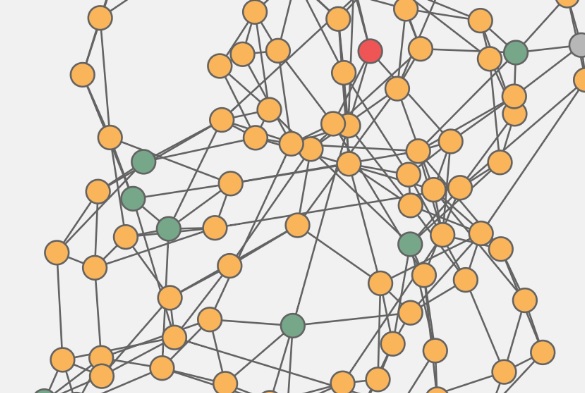
Example of the spread of an outbreak in the game Vax!

There are advocates for more innovative approaches. Some argue that social marketing frameworks could provide solutions (5). Others propose that children should be taught positive messages about vaccinations in school, as part of their health education, science or even citizenship classes, in order to ‘inoculate’ them against vaccine hesitancy in the future (6). A friend of mine, who teaches teenagers, created a lesson to teach her students critical analysis skills, using information on the benefit and safety of HPV vaccination. These kind of skills are vital for navigating the ‘fake news’ widespread on social media. For younger children, there are online games demonstrating how vaccines work (7). One review found 16 different games in 2016 (7). I lost 20 minutes trying to stop an outbreak with rapid vaccination at this particular link: https://vax.herokuapp.com/game  

It’s a little bit addictive! Could positive attitudes to vaccines be engrained at a young age using these methods?

A mixture of targeted interventions to deal with parents in the midst of today’s crisis, as well as methods targeting future generations, will be necessary to tackle this complex issue. It is time to try new approaches.

_________________________

References

  1. MacDonald NE, the SAGE Working Group on Vaccine Hesitancy. Vaccine hesitancy: Definition, scope and determinants. Vaccine. 2015; 33:4161–4164
  2. Marti M, de Cola M, MacDonald NE, Dumolard L, Duclos P. Assessments of global drivers of vaccine hesitancy in 2014 Looking beyond safety concerns. PLoS ONE. 2017; 12(3):e0172310.
  3. European Centre for Disease Prevention and Control. Monthly measles and rubella monitoring report. Stockholm: ECDC; 2018
  4. Dube E, Gagnon D, MacDonald N. Strategies intended to address vaccine hesitancy: Review of published reviews. Vaccine. 2015; 33: 4191-4203.
  5. Nowaka GJ, Gellinb BG, MacDonald NE, Butler R, the SAGE Working Group on Vaccine Hesitancy. Addressing vaccine hesitancy: The potential value of commercial and social marketing principles and practices. Vaccine. 2015; 33:4204–4211
  6. Wilson K, Atkinson K, Crowcroft N. Teaching children about immunization in a digital age. Human Vaccines & Immunotherapeutics. 2017; 13 (5):1155–1157.
  7. Ohannessian R, Yaghobian S, Verger P, Vanhems P. A systematic review of serious video games used for vaccination. Vaccine. 34 2016; 34: 4478–4483.

_________________________

Laura Heavey
Specialist Registrar in Public Health Medicine
Department of Public Health, HSE, Sligo, Ireland

EuroNet MRPH logo with the full name of the network, European Network of Multidisciplinary Residents in Public Health.

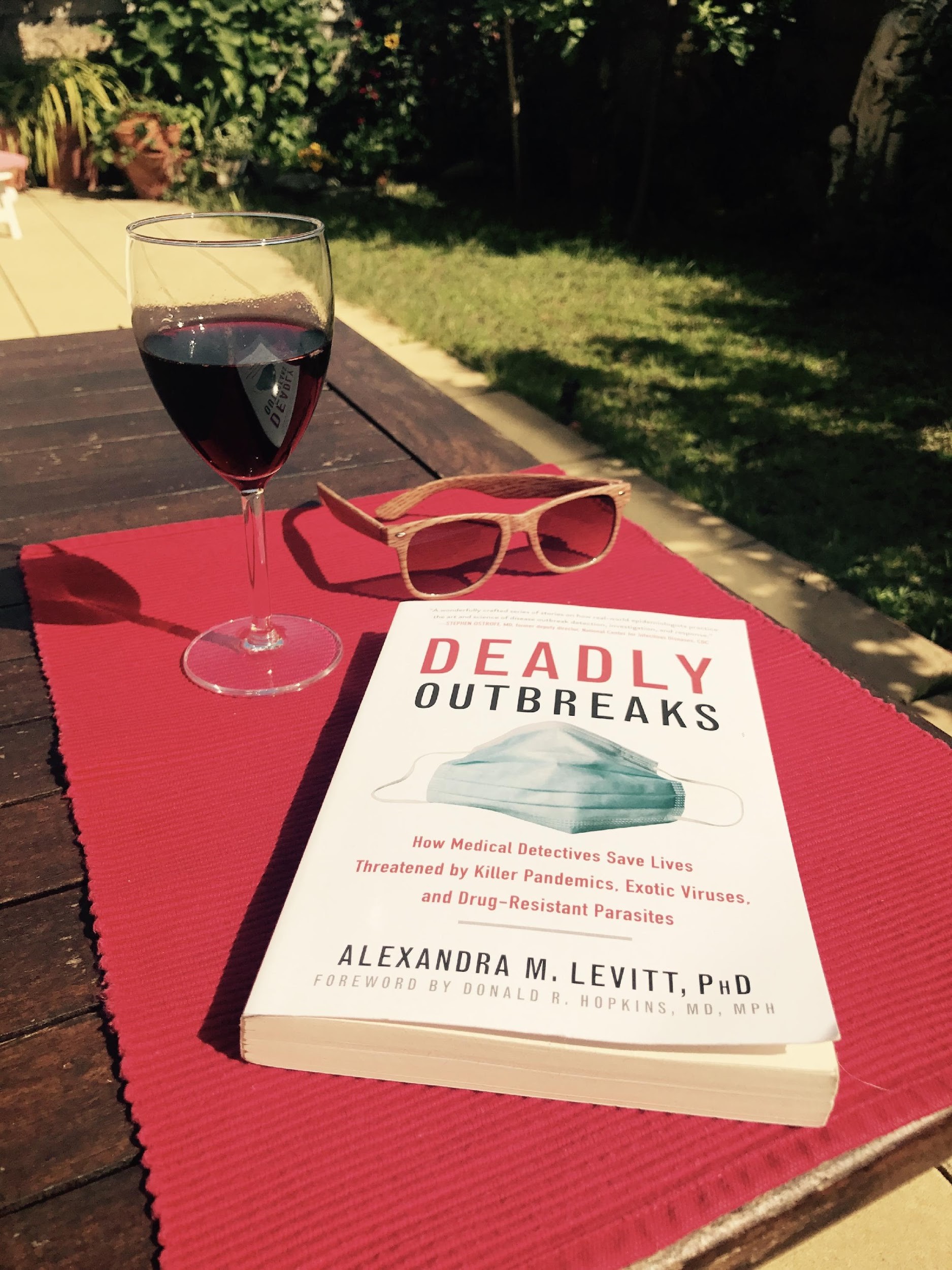
Summer Reading: “Deadly Outbreaks”!

Summer time, hot weather, (almost) everyone on vacations… Well, not me! But during the weekends I choose to hang out at the terraces of nice cafes, enjoying the good weather with some friends. I could tell you I usually drink water and natural juices in these occasions but I would be lying: a glass of red wine or some nice sangria are my options on these relaxed afternoons.  It is the perfect timing to read a nice book, too. The last one I read was “Deadly Outbreaks” by Alexandra Levitt(1) and was result of a purchase on the internet, while searching for books on public health issues.

Before going to medical school, I was already working in infection control area at a 400 bed hospital, where epidemiological surveillance is an important component of our functions and, I must admit, one of my favorites. During these 13 years of work at this hospital, I already had to deal with few outbreaks but it was the one in the summer of 2006 I remember the most, when I was still a “freshman” in the Infection Control Committee. At the time, the microbiology laboratory gave us an alert: multidrug-resistant (MDR) Acinetobacter baumannii was isolated in sputum of a trauma patient transferred from a central hospital some days before.  After a first assessment we found out he was located in the Surgical Intermediate Care Unit, a small pos-op infirmary “packed” with 6 patients, where the distance between beds was roughly 1,5 meters and in which “our” patient was frequently coughing and in need of nursing care. This microorganism was not part of our local ecology, so this was considered an infection control “code blue”! The patient and the unit were immediately put in contact isolation, while the lab confirmed other two positive patients for MDR A. baumannii. An outbreak was officially declared and, with the support of the hospital management, rigorous infection control measures were taken: all contacts with this patient were identified and put in contact isolation, an epidemiological line list was done and an active surveillance protocol was implemented. The unit was closed to new admissions, environment hygiene measures were reinforced, patients were stratified by risk level and a cohort of healthcare workers (HCW) was put in place (specific teams of HCW took care of “confirmed”, “suspected” and “negative” patients). Meanwhile, the hospital that transferred the index patient warned us that they were experiencing problems with this microorganism but this information came to us too late… After eight months, 15 cases (8 of which died), 61 patients put in isolation and surveillance, and a lot of effort (and costs) for the hospital, HCW’s and patients, the outbreak was finally controlled. As a consequence of it, a surveillance protocol for MDR A. baumannii was implemented (applied for all patients transferred from other hospitals). In my opinion, one of the “lessons to be learned” from this outbreak is the importance of communication between and within healthcare units to be able to minimize infection control risks, related to patients mobility. Twelve years have passed and, today, this and other hospitals have a risk evaluation procedure that is applied to all admitted patients.

But back to the book: if you liked this outbreak description, you will LOVE “Deadly Outbreaks”1 and you won’t be able to sleep until you end it! The author, Prof. Alexandra Levitt, is an expert on emerging diseases and other public health threats and worked for the Center for Disease Control and Prevention (CDC). She dedicates this book to all field epidemiologists that “save lives threatened by killer pandemics, exotic viruses and drug-resistant parasites”. The book describes, in an exciting and pedagogical way, seven public health mysteries occurred in the United States of America between 1976 and 2006, through the learn-by-doing approach of the “medical detectives” of CDC´s Epidemic Intelligence Service. In the “author’s note”, three advices are given, namely: “be prepared for the unexpected” (when it comes to infectious microorganisms); “we are all in it together” (with the phenomena of globalization, wherever we live, we are all at risk) and the importance of participating in a strong public health system, in the pursuit of prevention of disease spread among the community.

In one outbreak described in the book, investigating the mysterious death of several infants at a Children´s Hospital, several epidemiological tools were used, including the “epi-curve” and the “relative risk of death” associated with each nurses’ shifts, estimating the risk of a baby dying when a specific person was on duty. The study concluded that the hospital should strengthen central control of medicines and implement a monitoring system of deaths, by time and place, within the hospital. (2)

Did you know that, as a consequence of an outbreak in a Philadelphia hotel affecting middle-aged Legionnaires, CDC fielded one of the biggest investigative team ever but couldn´t find its etiological agent for several months? In fact, it was a young microbiologist of CDC that discovered it when, later on, decided to review and explore the finding of some rods that he, first, assumed were contaminants of his cultures (“be prepared for the unexpected”, remember?). Did you know that, after its discovery in 1976, Legionella pneumophila was retrospectively implicated in cases as far as 1943?

More recently, did you know that an epidemiologic outbreak investigation, affecting abattoir workers exposed to porcine brain, led to the discovery of an immune-mediated polyradiculoneuropathy? (3)

Throughout the book, these and many other epidemiological and infectious diseases facts are given, engaging the reader to explore the scientific method, by testing various hypotheses through the use of the technologies available at the time of the outbreak. At the end of each chapter, the author reviews the main facts to illustrate the lessons learned. Did I catch your attention? Hope so! Despite the book portraying the modus operandi (and available associated resources) of the North-American reality, it’s full of interesting facts that, in my opinion, will enrich our knowledge in public health area. A “must-read”!

_________________________

References:

  1. Levitt, Alexandra M (2015) Deadly Outbreaks. 2nd edition. New York: Skyhorse Publishing.
  2. Buehler JW, Smith LF, Wallace EM, Heath CW Jr, Kusiak R, Herndon JL (1985) Unexplained deaths in a children’s hospital – An epidemiologic assessment. N Engl J Med; 313(4):211-6.
  3. Holzbauer SM, DeVries AS, Sejvar JJ, et al. (2010) Epidemiologic investigation of immune-mediated polyradiculoneuropathy among abattoir workers exposed to porcine brain. PLoS One. 5(3):e9782.

_________________________

David Peres
Public Health Resident
Public Health Unit – Community Health Center Group of Povoa de Varzim / Vila do Conde (Portugal)

EuroNet MRPH logo with the full name of the network, European Network of Multidisciplinary Residents in Public Health.

Local Health Plans: Value and Structure

Any health plan ultimate goal is to improve health and to reduce health inequities, with minimum resources, based on a value for health approach. A local health plan should follow strategic orientations from European, national and regional levels in order to achieve the sustainable development goals established by the World Health Organization. This idea of top-bottom guidelines is fundamental, although the usual short time frame may affect the evaluation of its implementation in terms of outcomes and impact.

Building Local health plans is responsibility of the public health team and health planning is its cornerstone. Also, it represents a social commitment, since it involves collaboration between stakeholders and individuals of a community in all of its phases. These interested parties are numerous actors that play a role in the community, taking direct or indirectly action in the health of the population. Their interventions should contribute to Health in All Politics (no longer policies) concept, and represent a stronger and empowered view of the results that all actions can have on community’s health and well-being. The plan should have a strategic format to provide all stakeholders with the right tools to take it into action; always in a whole-of-government and whole-of-society point of view. They should be diverse in their activities, in order to reach all citizens in different life settings. However, family, school, workplace, healthcare institutions and social environment are priority contexts and require the most adequate interventions.

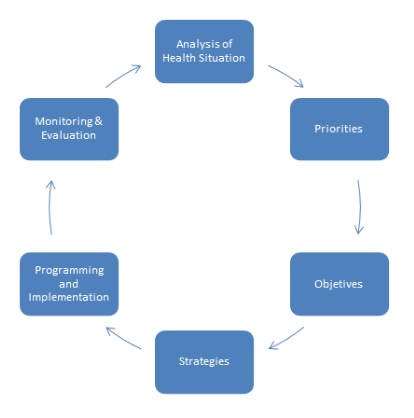
Figure 1 – Health planning cycle (Adapted from Imperatori and Giraldes 1982, Metodologia do Planeamento da Saúde, Lisbon)

Local health plans are based on the stages of the health planning cycle (figure 1) and start with an analysis of the local health situation assessment, withdrawn from the local health observatory. This information allows the drawing of the first list of health problems and their determinants, which, subsequently, are prioritized. The next step involves the setting of objectives and selection of strategies in collaboration with all stakeholders, taking into account the main health problems identified. During and after the implementation of the plan, it should be monitored and evaluated, as these are important components to ensure its fulfillment, using core indicators.

The health planning cycle should never be interpreted in a two dimensional (2D) perspective. Its structure allows transforming all outputs from evaluation phase to inputs used in the next step. Therefore, from a 3D analysis, the health planning cycle is a spiral which ends in an ideal health condition (utopian perception). It may be considered an iteration cycle, a process used to make anything better over time.

Therefore, a local health plan is a fundamental tool to implement the best practices available and improve population health. Its use must be encouraged and widespread. The importance of stakeholders in all course of action is their multisectoral response and their ability to build bridges between them, centered on population health and well-being. Thus, the interested parties should cover all society sectors based on Health in All Politics approach, leading decision makers to innovate and going beyond an ordinary policy plan.

_________________________

References

  1. World Health Organization. National health policies, strategies, and plans. http://www.who.int/nationalpolicies/resources/resources_tools/en/ [Online]
  2. Manual Orientador dos Planos Locais de Saúde. Direção-Geral da Saúde – Plano Nacional de Saúde. Lisboa. Janeiro, 2017
  3. Metodologia do Planeamento da Saúde. Imperatori and Giraldes. Lisboa. 1982
  4. La Planification Sanitaria. Pineault and Daveluy. Barcelona. 1994

_________________________

João Paulo Magalhães
Public Health Resident
Community Health Center Group of Porto Oriental, Public Health Unit

EuroNet MRPH logo with the full name of the network, European Network of Multidisciplinary Residents in Public Health.

Vaccine hesitancy: how to communicate with hesitant parents: the C.A.S.E. approach

The SAGE Working Group on Vaccine Hesitancy concluded that vaccine hesitancy refers to delay in acceptance or refusal of vaccination despite availability of vaccination services. It is characterized by different factors in different contexts (political, ideological, social, etc.). Vaccine hesitancy is complex and context-specific, varying across time, place and vaccines. [1]

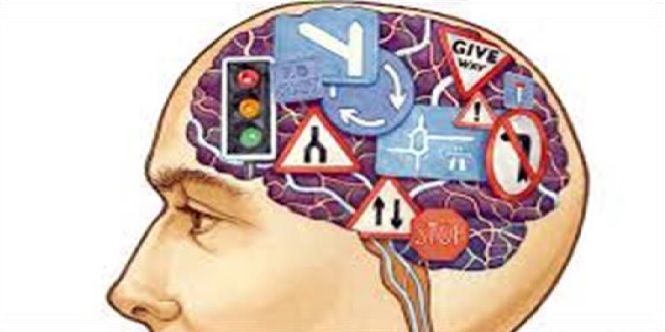
When approaching a hesitant parent, one must never forget that all his doubts are dictated by a strong perception of risk and by the consequent concern for the safety of his offspring. In this context, information concerning the “danger” or the factor considered as such, is connected and elaborated not only at the cortical level, but also in the limbic system which, thanks to its connections with the pre-frontal cortex, comes into play in the decision-making process, based on emotional reactions.

For this reason, any information you want to transmit to the defaulting mother or father, this must be simple, immediate and preferably proposed using the visual means (eg: simple graphs or sample images that can visually reproduce what you intend to explain), according to the rules of cognitive ergonomics. [2]

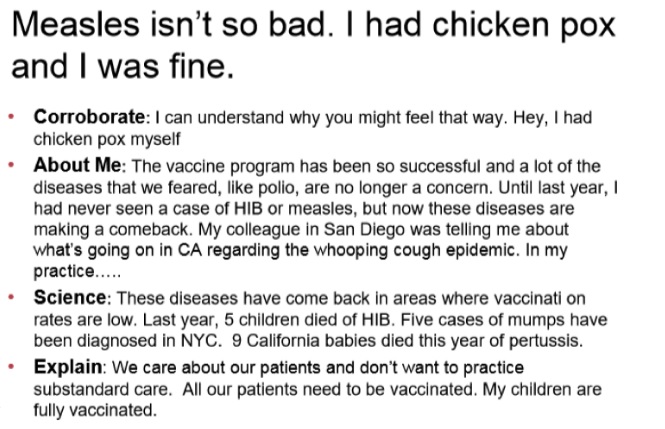
In the United States in 2010 Dr. Singer developed a communication model that, referring to Aristotelian rhetoric, provides an effective and efficient approach to communicate with the hesitant parents (C.A.S.E. approach). C.A.S.E. is an acronym that identifies the four phases of the communicative approach, Corroborate, About me, Science, Explain / advise (Fig.1). [2,3]

The first phase, Corroboration, which coincides with the Aristotelian technique of pathos, consists in proving emphatic towards parents who do not want to vaccinate their children, that is to listen, welcome and understand their doubts and their fears. Parents must perceive that who they are in front of is not an enemy whose purpose is to oppose them and impose on them a different way of thinking and acting, but it is a person who shares their primary interest, the health of the child. To achieve this, it is very important to find a point of agreement from which to start. [3,4]

In the second phase, About me, or ethos according to Aristotle’s rhetoric, the health worker should explain to parents what is his working mission (e. g. to advance the health of all people, the children’s sake) and what path he has taken to realize it (the studies, conferences or courses in which he participated, various studies). [3,4] The objective is to qualify the speaker, increasing its credibility and making it an authoritative source of information.

The logos of Aristotle is taken up again in the Science phase of Dr. Singer, in which the scientific evidence about the vaccines is presented to the parents. [3,4] It is in this phase when the cognitive ergonomics, mentioned above, comes into play strongly. To make the interview less dispersive, it is advisable for the doctor, already in the corroboration phase, to let the parents express the factors of greatest concern. This on one hand allows to partially reduce the anxiety of mothers and fathers, on the other hand allows the doctor to focus only on some aspects related to the vaccines and not on all the knowledge about the subject.

Fig. 1 Example of C.A.S.E. approach proposed by dr. Singer (2010)

Finally, to conclude the interview, the explain / advise phase should allow to sum up what has been said and give advice to the hesitant parents based on scientific evidence. [4]

The effectiveness of the C.A.S.E. method against hesitant parents has not yet been evaluated in any study. Therefore, assessing effectiveness in the field would be appropriate.

_________________________

References

  1. Mac Donald N, the SAGE Working Group on Vaccine Hesitancy. Vaccine hesitancy: Definition, scope and determinants. Vaccine 33(2015) 4161-4164 2)
  2. Pezzullo L. “The psychological mechanisms underlying the fear of the vaccine”. From the Congress “Vaccines, how to embrace and dispel parents’ doubts”. Treviso, 3rd February 2018
  3. Singer A. Making the CASE for vaccines: A new model for talking to parents about vaccines. NJP CORE VFC Conference 2010. Retrieved from http://www.aapnj.org/uploadfiles/documents/f73.pd
  4. Stevens JC. The C.A.S.E. approach (Corroboration, About me, Science, Explain/advise): improving communication with vaccine-hesitant parent. https://arizona.openrepository.com/ ,2016

_________________________

Davide Pezzato
School of Specialization in Hygiene and Preventive Medicine – University of Padua, Italy

Stefania Bellio
School of Specialization in Hygiene and Preventive Medicine – University of Padua, Italy

EuroNet MRPH logo with the full name of the network, European Network of Multidisciplinary Residents in Public Health.

Drinking Water: A Public Health Issue

The access to safe drinking water is essential to health and a basic human right, as well as a structural part of an effective policy for health protection. (1)

Since 1958, aiming primarily to protect public health, the WHO has published several editions of a document, currently called WHO Guidelines for drinking-water quality, which has been regularly updated through rolling revision. This document establishes the principles and guidelines that are the base for the national programs of the United Nations members. (1)

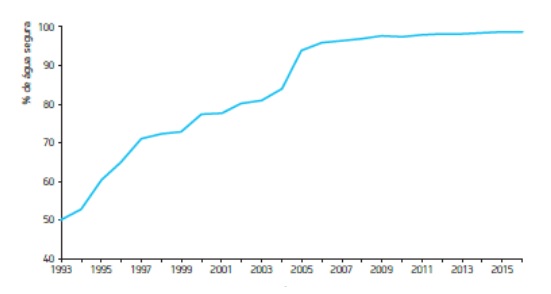
The model for regulating water quality in Portugal has been progressively consolidated through regular legislation revisions that reflect scientific and technical progress. The consequences have been globally positive and are evidenced in a favourable evolution of the indicator on “safe water”, which builds on the fulfilment of sampling frequency and the observance of parametric values (e.g. microbiological and chemical). Figure 1 shows the evolution of the quality level of drinking water; nowadays 99% of water is guaranteed to be controlled and of good quality (in 1993 this indicator was at a mere 50%). (2) (3) (4)

Fig. 1 – Evolution of the “Safe Water” indicator between 1993 and 2016 (3)

This excellence level is supported by strictly monitoring the stakeholders in this process, among them health authorities that may be integrated in Public Health Units (PHU). (3)

The Activity Plan of the ACeS Alto Ave PHU includes a program of sanitary surveillance for drinking water systems with public distribution. These systems undergo annual characterization as a way to promote risk analysis and management for health. I have recently followed my unit’s environmental health technician on his visits to the drinking water systems in the Fafe area.

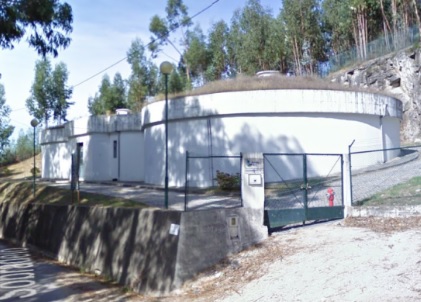
These visits started at a Water Treatment Station, where water undergoes a complex treatment process after catchment and is then sent to several reservoirs in the area, which then distribute the water to consumers. Besides verifying the maintenance, hygiene and safety parameters, the process also identifies the treatment types for water (e.g. pre-oxidation, decantation and filtration).

We have then visited all the storage reservoirs in the area where special care is given to the inner lining of tanks/cells, vent protection and latest sanitation date.

Some locations, due to their position and/or demographic rate, benefit from local water capture (e.g. water holes, water springs or wellheads). These Dispersed Systems have their own device for water purification with sodium hypochlorite and sometimes pH correction with caustic soda.

Fig. 2 – Reservoir in Revelhe, Fafe

These visits allow us to promote the conservation and maintenance of several infrastructures of the public water supply systems by the appropriate authorities. But they also allow Public Health physicians (as Health Authorities) to intervene in a stricter and more appropriate way in the case of potential infringements of the chemical or microbiological parameters reported. It may therefore be necessary to establish measures to minimize health hazards to the population. (2)

_________________________

References

  1. World Health Organization. Guidelines for drinking-water quality: four edition incorporating first addendum. Geneva, 2017.
  2. República Portuguesa. Diário da República, 1.ª série-N.º 164-27 de Agosto de 2007. Decreto-Lei n.º 306/2007. 2007.
  3. Entidade Reguladora dos Serviços de Águas e Resíduos (ERSAR). Relatório anual dos serviços de águas e resíduos em Portugal – 2017. 2017. Vols. Volume 2 – Controlo da qualidade da água para consumo humano.
  4. República Portuguesa. Diário da República, 1.ª série-N.º 235-7 de dezembro de 2017. Decreto-Lei n.º 152/2017. 2017.

_________________________

José Miguel Fernandes
Public Health Resident, Public Health Unit ACeS Alto Ave – Fafe
Portugal

EuroNet MRPH logo with the full name of the network, European Network of Multidisciplinary Residents in Public Health.

The Ethical side of Public Health

Nowadays, we still deal with the ethical side of every public health program or initiative using concepts or ideas based on Kantianism or even Utilitarism. We overlight and quote Rose’s paradox(1), as if the population and the individual interests were the only ones that mattered on the difficult path of deciding whether a public health measure, law or policy must be implemented or not. We sometimes strive to achieve a middle point between the population’s best interest and the individual freedom. None of this is unfamiliar, however, the importance of public health as a tool to ensure the compliance of human rights is still rarely discussed.

“In the absence of action, human rights are mere words on paper”(2). This, is one of the most important critics to the human rights approach (the most common approach related to human development). It states that human rights must be associated to measures that assure to genuinely safeguard human development. Nevertheless, political agendas and public health policies around the globe do not actively direct their efforts to assure human development or human rights on the grounds that if freedom is guaranteed, human rights will be guaranteed.

No more than a year ago I met an amazingly intelligent, successful, and wonderful woman that explained to me that the human rights approach is not all. That public health is not only screening, mental health, surveillance, health promotion or Antonovsky’s view for health and illness. She explained that a theoretical negative freedom does not safeguard anything; that social justice could give more answers than questions, problems or debates. She recommended me a book in order for me to get the bigger picture, to be able to see with other eyes the ethical (or unethical) part of public health, to think public health. I’ve been reading and re-reading it ever since.

The capabilities approach (2,3) offers a list of indicators of human development. We could consider 10 central capabilities that may ensure human development (but there are other perspectives of the capabilities approach(3)). Central capabilities, or capabilities in general, are meant to be understood as a common doctrine to be considered in every policy, and more specifically in every public health policy.

Lots of public health programs focus on the power of informing the population, promoting health by every kind of activity imaginable or limiting access implicitly or explicitly to products understood as harmful. Some would define this road as a form of “desired welfarism” and not as a path to achieve human health or human development. Every piece of information, every activity, is full of ethical principles that could affect people’s preferences – and these people’s preferences affect the population’s health results. The Kantian’s idea of community of equals, the Adam Smith’s theory of the impartial spectator or even the Hampton assumption of how preferences should be examined, do not reflect that people’s preferences do not consider social justice. It is not possible to identify the preferences that are the result of unfair and hierarchical circumstances without an independent ethics theory that thinks carefully about social justice.

However, it is not my role to explain to you the theory, the book, or someone’s opinion. My goal is to make us all think and re-think, read and re-read, have another view for every initiative, program or plan. Let’s envision every project with another approach. Let’s try to make something meaningful.

_________________________

References

  1. Rose G. The strategy of preventive medicine. The strategy of preventive medicine. University Press; 1992.
  2. Nussbaum MC. Creating capabilities: the human development approach. Harvard University Press. 2011. 256 p.
  3. Sen A. Development as freedom. Oxford New. 2001. 366 p.

_________________________

Laura de la Torre Pérez
Public Health Resident
Servei de Medicina Preventiva i Epidemiologia – Hospital Clínic de Barcelona